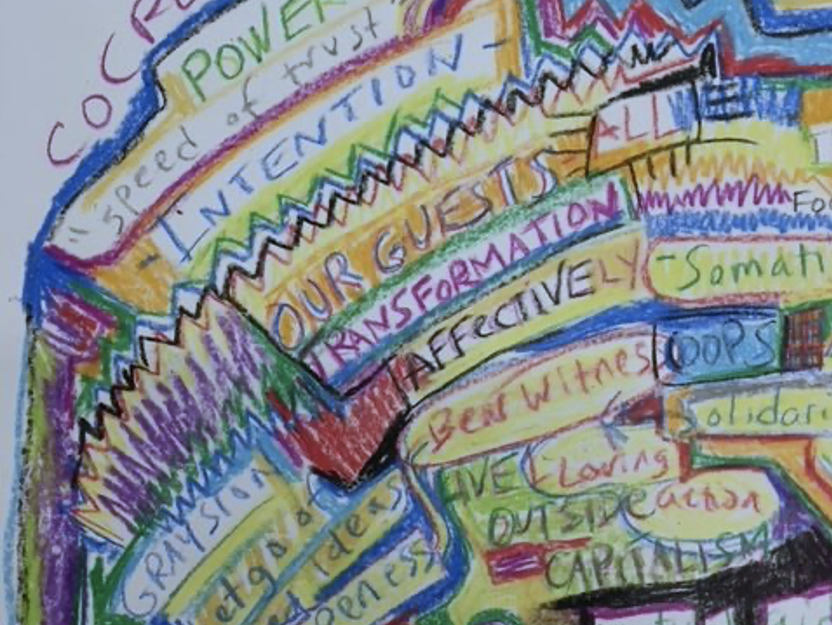
Anthropology 341 is an intensive and super fun, 7 credit course.
Through collaborative teaching and learning, the course integrates students into assemblages of projects and organizations that are building and fighting for economies that privilege “people and planet” over profit. We engage with and draw from a range of methodological approaches including community service learning, community based participatory research, and activist anthropology to help advance projects and work that are negotiated with community organizations. Readings, conversations, lectures, workshops, and the like inform the particular semester projects and equip students with the histories, theories, methods, and other learnings needed to carry out the work.
2024 Land and Liberation
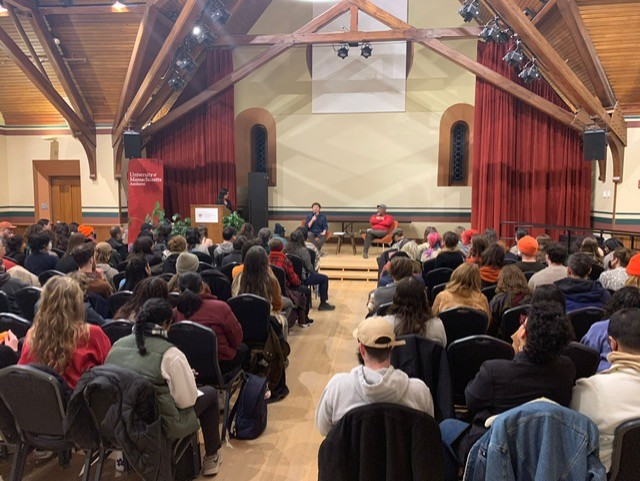
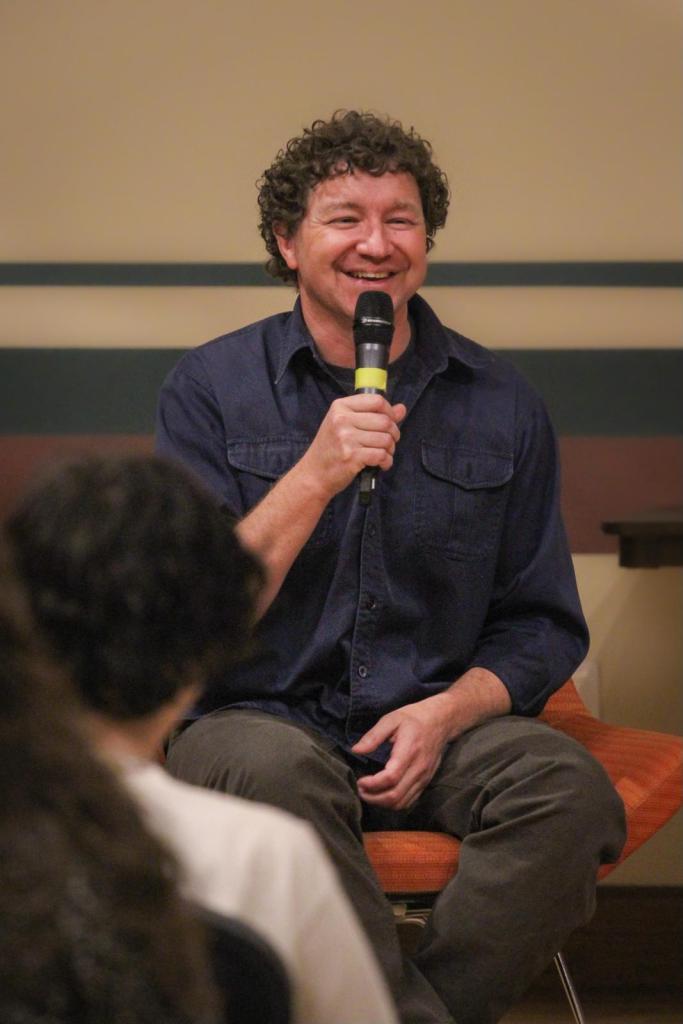
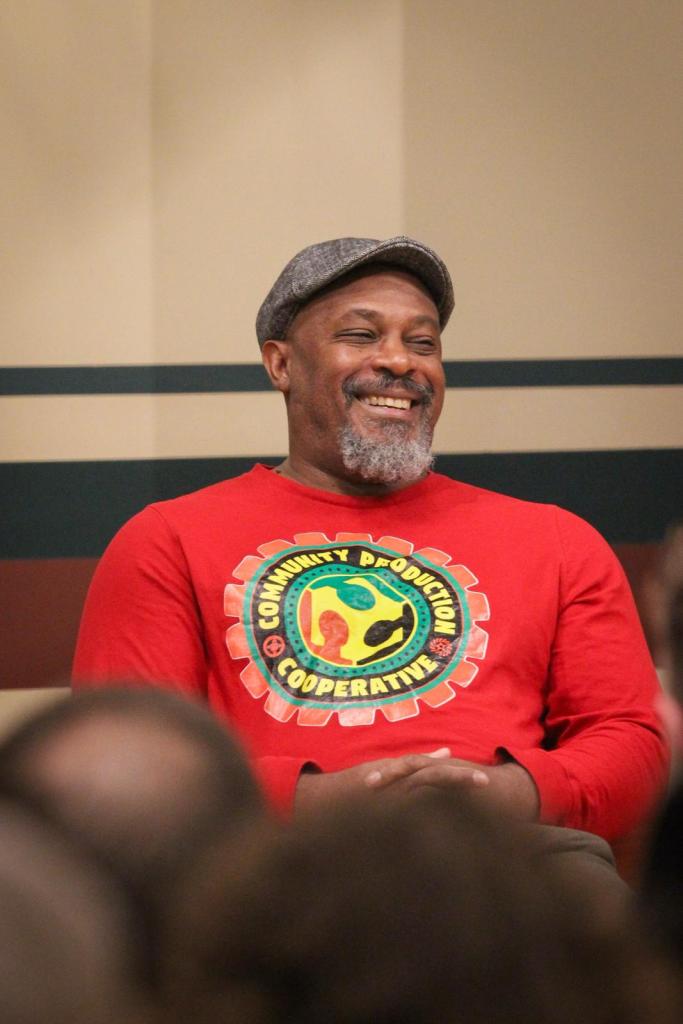
In 2024 we worked closely with two organizations who are engaged in land-decommodification, Cooperation Jackson and Land in Common. We began the semester with some intensive workshops with organizational leaders Kali Akuno and Ethan Miller to build relationships, better understand their work, and to launch our semester-long projects. We also organized a conversation for the campus community featuring Akuno and Miller that attracted a full house—nearly 200 attendees—about the importance of land decommodification in their work.
For the rest of the semester we carried out four research and engagement projects:
The Envisioning Land Commitments pod worked to create a graphic representation of Land in Common’s land commitment to help potential land donors and stewards better understand the process. This zine can be found here.
The Researching Solidarity pod conducted interviews with movement organizations to survey and identify strategies and practices that can help overcome governance and representational challenges. This report can be found here.
The Enabling Conditions for Eco-Villages pod researched opportunities and resources that can help support Cooperation Jackson’s eco-village project. This report can be found here.
The Mapping Land Decommodification pod began to create an inventory of land decommodification projects in Massachusetts and beyond to help visualize and build relationships. This work is continuing on as BSE research that you can read about here.
Throughout the semester we read corresponding histories, theory, ethnography as part of a collaborative praxis. We also learned from and built relationships with other post-capitalist projects in Massachusetts including the Finders Collective, Cooperation Vermont, Sirius Community, and Global Village.


The semester culminated in a Land Gathering at Global Village to build relationships and share work between land based projects. Nearly a hundred activists and organizers gathered on Saturday night, sharing food and experiences. And, over the course of the weekend Cooperation Jackson, Land in Common, Cooperation Vermont, Global Village, and Community Movement Builders.


2022 Cooperative Futures
In 2022, students worked with Common Share Food Cooperative–a hybrid worker owned/consumer owned food cooperative–and the Coalition for Worker Ownership and Power.

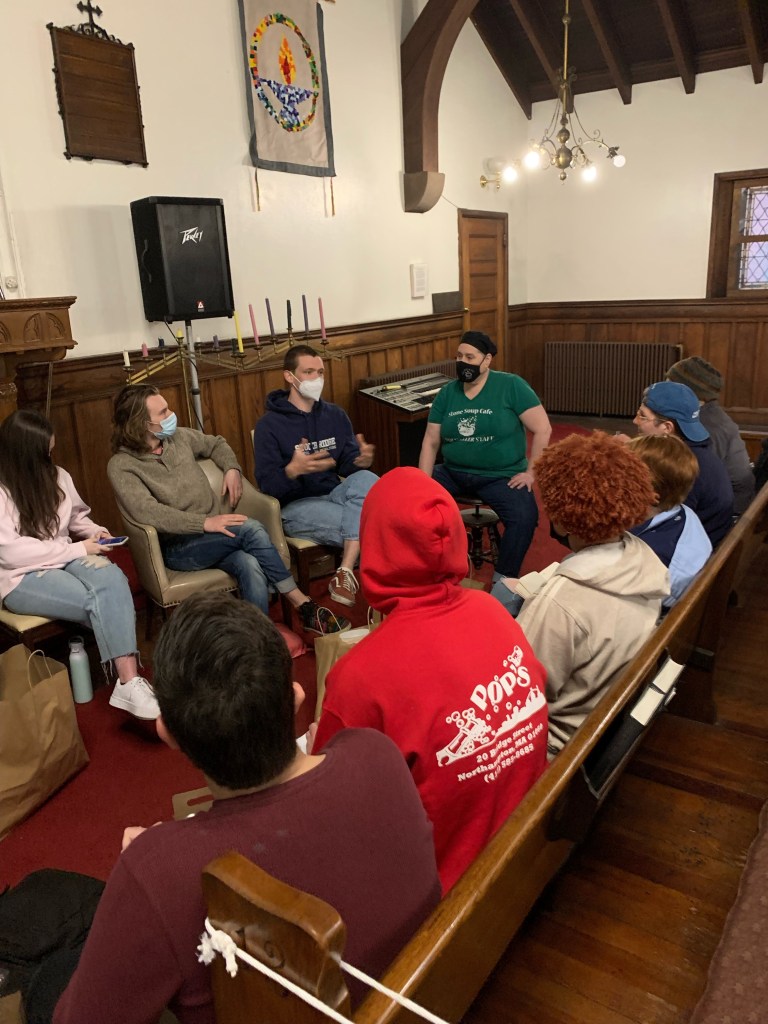
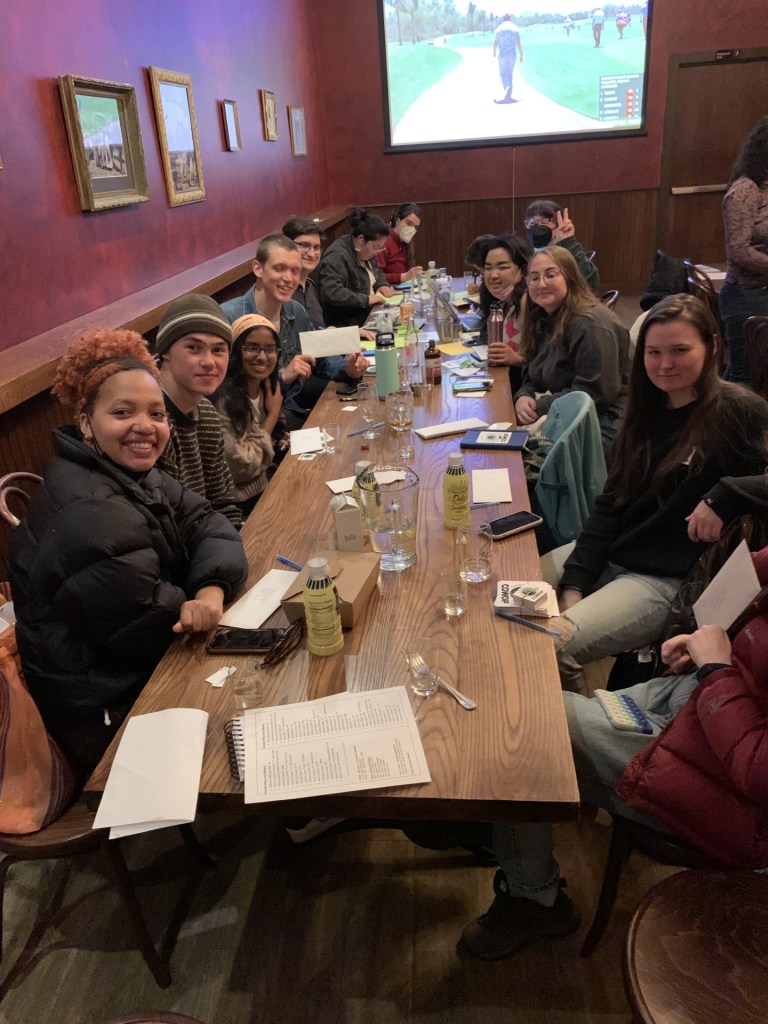

With Common Share, students engaged in two projects 1) students researched and created a report on governance practices of food cooperatives in the United States to help inform Common Share, and 2) an outreach campaign that built up the membership base of Common Share.
With COWOP, students worked in collaboration with the coalition on their spring social media and policy campaign and engaged in three projects: 1) the creation of an Inventory of and report on the worker cooperative ecosystem in Massachusetts, 2) a report on and consolidation of existing research Making the Case for worker-owned cooperative development in Massachusetts and 3) a policy paper that brings together and theorizes “enabling conditions” for worker-owned cooperatives including policy, organizing, political orientation, and place based politics. These reports are being used to inform and engage COWOP membership, and the broader movement, and can be accessed in multiple places including COWOP’s website.
 buildingsolidarityeconomies.com